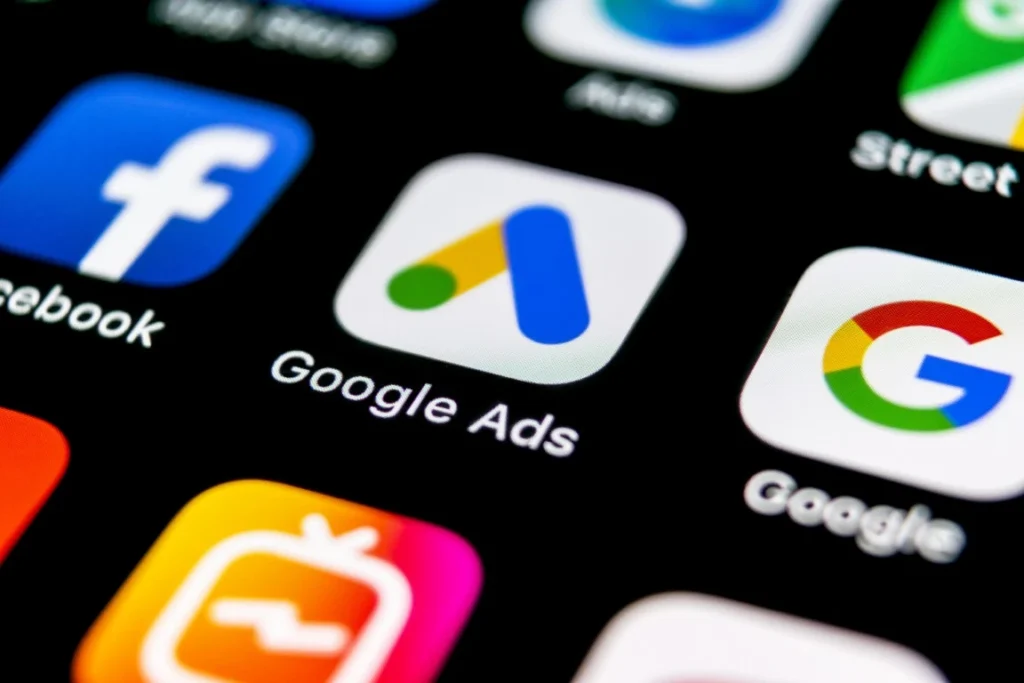
Google Ads can be one of the fastest ways for small businesses to generate leads, increase sales, and grow brand awareness. Unlike SEO, which can take months to build momentum, Google Ads places your business in front of potential customers who are actively searching for your products or services.
However, simply launching a Google Ads campaign isn’t enough. You need a well-planned strategy in order to avoid wasting advertising dollars on the wrong keywords, poorly targeted audiences, or ineffective ads.
Here are some of the best strategies that help small businesses maximize their return on investment.
Start with Clear Business Goals
Before creating any Google Ads campaign, define exactly what you want to accomplish. Different goals require different objectives. Decide whether you want to generate phone calls, increase website leads, sell products online, book appointments, drive foot traffic, or build brand awareness.
When you have clear goals, every decision (from keywords to bidding strategy) becomes much easier.
Focus on High-Intent Keywords
One of the biggest mistakes small businesses can make is targeting broad keywords. For example, “roofing” is very broad, while “emergency roof repair near me” shows much stronger buying intent.
High-intent keywords typically include phrases such as, near me, service, company, contractor, estimate, repair, installation, buy, or cost.
Although these keywords often have higher cost-per-click prices, they typically produce significantly better conversion rates.
Organize Campaigns by Services
Avoid putting every service into one Google Ads campaign. Instead, create separate campaigns or ad groups for each primary service.
For example, an HVAC company might have separate campaigns for furnace repair, AC repair, water heater maintenance, air quality inspection, and fireplace installation.
This strategy allows you to write more relevant ads, utilize service-specific landing pages, track performance more accurately, and allocate budgets where they produce the best results.
Create Dedicated Landing Pages
Sending all visitors to your homepage can quickly lower conversion rates. Instead, each of your Google Ads should lead to a landing page focused on exactly what the user searched for.
An effective landing page should include a clear headline, description of the service, benefits, customer reviews, trust badges or certifications, contact form, phone number, and a strong call to action. Avoid adding distracting navigation menus or cluttered footers.
The closer the landing pages match search intent, the better the results.
Use Location Targeting Wisely
Most small businesses serve a specific geographic area. Google Ads allows you to target specific cities, zip codes, counties, and service areas and avoid paying for clicks from users outside your service area.
If your company only serves one region, narrow your targeting to those locations.
Take Advantage of Ad Extensions
Ad extensions provide additional information and help your ads occupy more space in search results.
Consider utilizing call extensions, location extensions, sitelink extensions, callout extensions, structured snippets, image assets, or promotion assets.
These extensions help improve click-through rates and give users more reasons to choose your business.
Write Ads That Match Search Intent
Your Google Ads campaign should answer the user’s search intent right away. Include the keyword in the headline, your biggest competitive advantage, a strong call-to-action, and trust-building information. Avoid generic headlines that could apply to any business.
Don’t Ignore Negative Keywords
Negative keywords prevent your ads from appearing in irrelevant searches. Keywords you may not want to show up for include free, DIY, jobs, salary, classes, cheap, tutorial, or how-to.
Regularly reviewing search terms can help you avoid wasting ad spend and improve campaign efficiency.
Use Conversion Tracking
Clicks alone don’t measure success. Proper conversion tracking allows you to see the number of phone calls, contact form submissions, online purchases, appointment requests, quote requisitions, or live chat leads.
Without conversion tracking, you’ll struggle to determine which keywords and ads are generating real business.
Optimize for Mobile Users
Most local searches now happen on mobile devices. Because of this growing trend, your landing pages should load quickly, display correctly on phones, have click-to-call buttons, use simple contact forms, and make important information easy to find.
A slow-loading or difficult-to-navigate mobile website can significantly reduce conversions.
Test Multiple Ad Variations
Small changes can improve ad performance. Experiment with different headlines, calls-to-action, descriptions, offers, and display paths. Over time, continuous testing helps identify the messaging that resonates most with your audience.
Keep Improving Your Campaigns
Google Ads can be one of the most effective marketing tools available to small businesses when campaigns are built around clear goals, targeted keywords, compelling ads, and optimized landing pages.
Continue to monitor performance, refine your targeting, improve user experience, and see your small business generate qualified leads and long-term growth.