
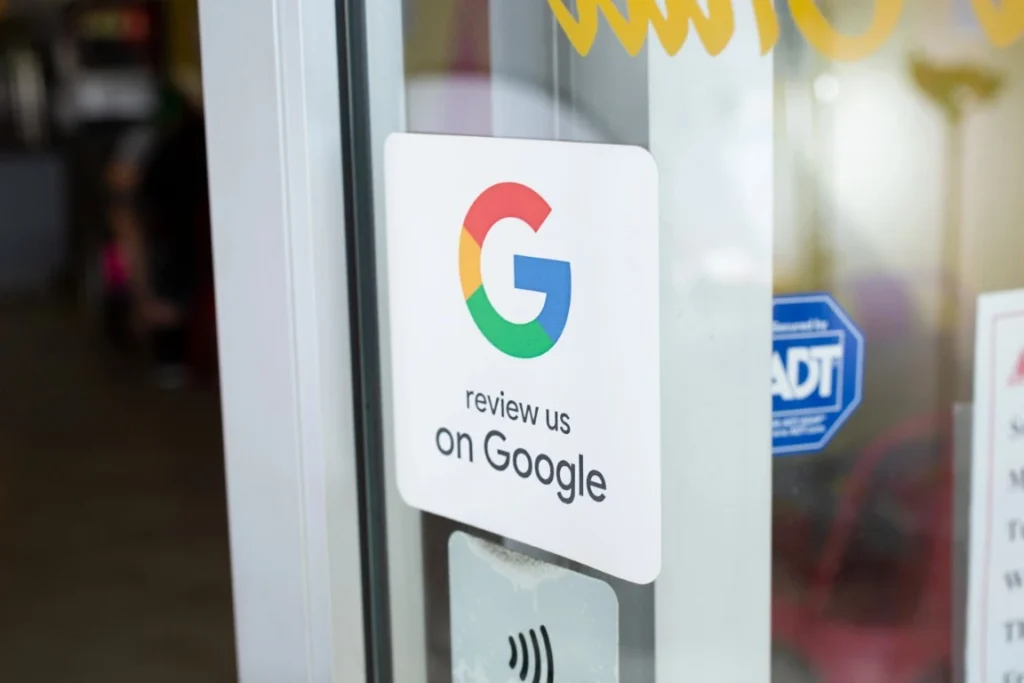
Online reviews play a major role in determining which businesses customers will give their money to. In 2026, Google introduced several major changes to help improve review quality, reduce spam, and increase trust on Google Business Profiles. Businesses that rely on online visibility and local search rankings will want to pay close attention to these updates.
From stronger AI moderation to stricter enforcement against fake reviews, these updates are changing how Google reviews are collected, displayed, and managed.
Google Is Using More Advanced AI to Detect Fake Reviews
One of the biggest updates in 2026 is Google’s expanded use of AI and Gemini-powered moderation tools to identify suspicious reviews and spam more efficiently than before. Google announced new protections that can automatically detect fake reviews, suspicious review spikes, and manipulated profile edits before they appear publicly.
Google’s systems now analyze review timing and posting patterns, reviewer activity and location history, sudden surges in reviews, repetitive or AI-generated language, and reviews submitted from suspicious networks or devices.
This means that businesses attempting to manipulate reviews with purchased feedback, incentivized reviews, review quotes, or fake accounts are more likely to face penalties.
Incentivized Reviews Are Facing Stricter Enforcement
Google has become increasingly aggressive toward reviews tied to discounts, giveaways, rewards, or compensation. Several 2026 industry reports indicate that Google’s updated policies now specifically target incentivized reviews and coordinated review campaigns.
Businesses should avoid offering discounts in exchange for reviews, running contests tied to review submissions, asking employees to leave reviews, and using review farms or bulk review services.
Even well-intentioned campaigns can trigger automated moderation if review activity appears suspicious.
Google May Temporarily Pause Reviews on Suspicious Profiles
Google has implemented new safeguards for businesses experiencing spam attacks or unusual review activity. In some situations, Google may temporarily pause new reviews to investigate suspicious activity. People may also be shown warning banners explaining why reviews are limited on a profile.
This update is intended to protect businesses from fake negative review attacks, review bombing, coordinated spam campaigns, and extortion attempts involving review removal.

Real Photos and Authentic Content Matter More
Google is also putting a bigger emphasis on authentic business content. Recent updates encourage businesses to use real photos, videos, and genuine customer interactions instead of stock imagery or heavily altered visuals.
Businesses should focus on uploading real project photos, team and workplace images, genuine customer experiences, updated storefront or office photos, and authentic behind-the-scenes content.
Authenticity is becoming a stronger trust signal across Google Business Profiles.
AI-Generated Review Responses Are Still Allowed
Many businesses have been unsure whether they can use AI tools to respond to customer reviews. Industry sources report that Google still allows AI-assisted review responses as long as responses remain relevant, accurate, and helpful.
However, businesses should avoid generic copy-and-paste replies, overly promotional language, spammy keyword stuffing, and robotic or insincere replies. Personalized responses help build customer trust and engagement.
Google Is Cracking Down on Review Gating
Review gating continues to violate Google policy in 2026. Review gating happens when businesses only ask happy customers for reviews, filter customers before sending review links, or discourage unhappy customers from leaving feedback.
Violating this policy can lead to removed reviews, reduced visibility, profile penalties, and even suspensions.
What Businesses Should Do Moving Forward
To stay compliant and competitive in 2026, businesses should focus on ethical review practices and authentic customer engagement.
Focus on Natural Acquisition — Instead of high-pressure on-site asks, focus on follow-up requests via email or SMS. This encourages honest feedback, not “perfect” reviews.
Avoid Direct Links/QR Codes — Direct review links can trigger filters, so you should encourage customers to search for your business on Maps, interact with it, and then leave a review.
Monitor for Negative SEO — Be aware of competitor “review bombing” and artificial attempts to harm your profile. Use Google’s reporting tools to report any suspicious activity.
Avoid High-Pressure Tactics — You should encourage customers to leave Google reviews after they returned home, but if they want to leave on one-site, don’t have staff stand over them or pressure them into being overly positive or lie.
Prioritize Authenticity — Google reviews that mention specific employees or follow a predictable pattern are likely to be deleted. Focus on authentic, conversational, and diverse user experiences.

Businesses that prioritize genuine customer experiences and transparency are more likely to benefit from Google’s evolving review system.
Protect Your Business’s Google Reviews
Google’s 2026 review update reflects a major shift toward authenticity, trust, and AI-powered moderation. Businesses can no longer rely on shortcuts or aggressive review tactics to improve visibility. Instead, they need to focus on building real customer relationships and maintaining a trusted online presence.