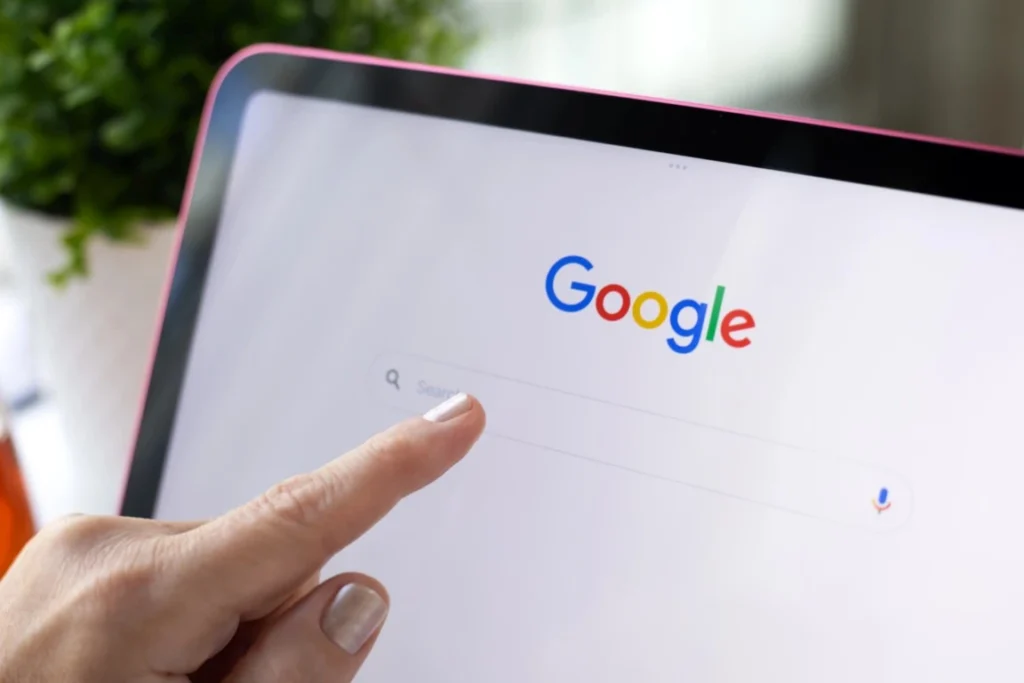
As AI becomes more prevalent online, the way people find information continues to evolve. Many businesses are starting to see the impact of Google’s AI search experience. To help brands find success online, Google recently published an official guide on how websites can improve visibility in AI-powered search experiences like AI overviews and AI mode.
The biggest takeaway? Traditional SEO still matters the most. There is no separate “AI SEO” system replacing Google Search fundamentals.
What Google’s AI Optimization Guide Means
According to Google, AI-powered search features rely on the same core systems used in traditional search, including crawling, indexing, ranking signals, and content quality evaluation. Google specifically references retrieval-augmented generation (RAG), where AI systems pull information from indexed web pages to generate responses.
This means websites already following strong SEO practices are better positioned to appear in AI-generated answers.
Key Recommendations from Google
Create Original, Experience-Based Content
Google emphasizes “non-commodity” content, which is material that offers firsthand experience, unique insights, expert opinions, or proprietary information. Generic articles that repeat information already found everywhere online or commonly known by many people are less likely to stand out in AI search results.
Examples of strong content include case studies, real project examples, personal expertise, original research, before-and-after results, and industry-specific insights. For local businesses, this could mean showcasing completed remodeling projects, explaining real customer challenges, or sharing detailed service processes.
Focus on Traditional SEO Fundamentals
Google’s guide reinforces that the basics still matter, including:
- Crawlable pages
- Fast load times
- Mobile-friendly design
- Strong internal linking
- Helpful page structure
- Clear headings
- Semantic HTML
- Accurate structured data
- Good page experience
If Google can’t properly crawl or index your content, it can’t appear in AI-generated search experiences.
Use Clear, Readable Content Structure
AI systems like well-organized pages that are easy to interpret. Google recommends that your content has descriptive headings, short paragraphs, sections, lists and tables (when appropriate), more text-based content than informational images, and a logical page hierarchy. This also includes avoiding posting duplicate content on your website.
These features improve readability for both users and AI systems summarizing information.

Multimedia Matters More
Google notes that AI search experiences have started including visual content. Pages with relevant images, videos, charts, diagrams, or product photos may have greater visibility in AI-powered results. Optimized alt text, captions, and descriptive filenames can further improve discoverability.
What Google Says You Do Not Need
One of the most important parts of the guide is what Google discourages. Businesses can ignore the following :
LLMS.txt Files and Special AI Schema Markup — Brands don’t need to create new machine-readable files, AI text files, makeup, or markdown to appear in AI searches. Google can discover, crawl, and index many types of files
Chunking Content — You don’t need to break your content into smaller chunks, so AI can better understand it. Google systems can read long and short pages and show relevant pieces to users. Brands should focus on making content for their audience, not AI.
Rewriting Content for AI Systems — AI systems are intelligent enough to understand synonyms and general meanings and connect users with relevant content. You don’t need to write in a specific way or use precise wording for generative AI search.
Seeking Inauthentic Mentions — Seeking inauthentic mentions across the web won’t help your brand as much as you think. Google systems focus on high-quality content, while other systems block spam.
Overfocusing on Structured Data — Structured data isn’t required for generative AI search, and you don’t need to add a special schema.org markup. However, it is still an important part of an overall SEO strategy.
The Bottom Line: Many heavily marked “AI SEO Hacks” are not supported by Google’s documentation.
AI Search Still Rewards Authority and Trust
Google continues to prioritize expertise, experience, authoritativeness, and trustworthiness (E-E-A-T). Brands with strong reputations, accurate information, and demonstrated expertise are more likely to earn visibility in AI-generated summaries.
Businesses should focus on publishing expert-written content, ensuring information is accurate and up-to-date, maintaining a strong reputation, building authoritative backlinks, and demonstrating real-world experience.
Websites that are easy for both humans and machines to navigate will likely have an advantage as AI search evolves.

Final Takeaway
Google’s official guidance makes one thing clear: AI optimization won’t replace SEO but build on it. Websites that prioritize helpful, high-quality, and trustworthy content, technical SEO, strong user experience, and genuine expertise have a better chance of visibility in traditional and AI-powered search results.
Rather than chasing shortcuts or AI hacks, businesses should focus on their audience for long-term success.