pressure washing industry, idaho falls

Performance Driven Marketing Idaho

208-540-9638
Call Now!
  • SEO
    • SEO Case Studies
      • Rocky Mountain Movers
    • Chiropractic SEO
    • Our Exclusivity
  • Websites
    • Web Design Portfolio
  • Other Services
    • Digital Marketing
    • Graphic Design
      • Graphic Design Portfolio
    • Content Writing
  • Case Studies
    • SEO Case Studies
      • Rocky Mountain Movers
    • PPC Case Studies
      • Bismarck Advanced Dental and Implants
    • Branding Case Studies
    • Web Design Portfolio
    • Graphic Design Portfolio
  • Why Choose Us
    • Our Reviews
    • Our Team
    • Blog
  • Contact Us
    • Request a Consultation
    • Support Requests
    • Free Website Audit
    • Marketing Workshops
    • Referral Program
    • Pay Online

How to Use Storytelling to Boost Your Brand

How to Use Storytelling to Boost Your Brand

When it comes to today’s competitive market, you don’t need to just sell a product, you need to sell a story. Consumers need a reason to choose you over other brands. Consider Apple’s iconic “Think Different” campaign to Nike’s emotional athlete journeys, the most memorable brands know how to tell a compelling story. But storytelling isn’t just effective for big companies — small businesses and personal brands can also benefit from its power. 

Why Storytelling Works

People respond well to stories because of how brains process information and human psychology. Neuroscience shows that stories activate more areas of the brain than facts or figures. They make information memorable, engage people’s emotions, and help you foster connections with others. When you tell a story, you can influence people’s perceptions and beliefs. 

Elements of a Great Brand Story

To build a story that resonates, focus on these elements:

Authenticity and Emotional Resonance — Your story should reflect your true values, mission, and voice. It should also invoke emotion in the audience and create a connection that goes beyond the surface. Remember, customers can easily spot a shallow, inauthentic story from a mile away. 

Relatability and Clear Communication — Your audience should understand and relate to the challenges and triumphs of your main character. They should also understand how this story relates to your brand, so avoid jargon and corporate speak. 

Compelling Narrative Arc — A good brand story has a clear beginning, middle, and end. It shows problems being solved or obstacles being overcome. It can also include rising action that leads to a climax. Your audience should root for and understand the main character of the story. 

Where to Use Storytelling in Branding

How to Use Storytelling to Boost Your Brand

About Pages — An about page provides the perfect opportunity to tell the story of how your business came to be. How did you come up with the idea? What obstacles did you overcome? 

Social Media — Share bite-sized narratives that show behind-the-scenes moments, customer journeys, or your team’s personality. These small clips can contribute to the overarching story of your brand. 

Email Marketing — Instead of only using emails for promotion, start them with compelling stories. It draws the reader in before introducing your call to action. You could share customer testimonials, behind-the-scenes content, or experiences that highlight the brand’s values. 

Advertising — Use storytelling in your ad campaigns to showcase transformations, impacts you’ve made, and the values you hold. Using stories in advertising allows you to emotionally connect with your audience, not just sell a product or service. 

Packaging and Design — Even visual storytelling can leave an impression — consider how your branding elements reflect your narrative and values 

Landing Pages — Landing pages are a great place to use storytelling to build excitement and give visitors a compelling reason to take action. 

Tips for Effective Storytelling

Understand Your Brand — In order to use storytelling effectively, you need to understand your brand and what its purpose is. Understand what change you trying to make and what your brand means to you personally. You should also define the characteristics of your brand and how you can show those through the language, voice, and plot of your stories. 

Know Your Audience — The more you understand your audience, the more you can tailor your stories for them. Take the time to understand their interests, background, and values. Your audience will appreciate feeling seen and heard.

Keep It Simple —  A clear, concise narrative will work more powerfully than a convoluted epic. Make your story understandable and avoid unnecessary details that could dilute the message you are trying to convey. But just because you should be clear, doesn’t mean you shouldn’t take risks and be bold with your storytelling. 

Use Visuals — Images, videos, and even colors can enhance the emotional impact of your story and make it more engaging. For example, if you are telling a behind-the-scenes story, consider also adding a video explaining the concept. 

How to Use Storytelling to Boost Your Brand

Be Consistent — Your brand story should align across all platforms and touchpoints, including social media, your website, and any online advertising. Consistency reinforces your brand’s identity and helps build trust with your audience. 

Boost Your Brand with Authentic Storytelling 

In the age where many companies have moved to using AI and automation, a human touch is more important than ever. Authentic storytelling will help you do more than just sell a product or service, it will boost brand recognition and loyalty and turn your audience into advocates. Just start with your “why,” stay true to your voice, and let your story unfold.

Filed Under: Digital Marketing

Role of Digital Marketing in E-commerce Success

Have you struggled to stay afloat in today’s fast-paced world of e-commerce? If you feel like your business is sinking, you should consider investing in online marketing. Digital marketing plays a crucial role in driving sales, increasing brand awareness, and fostering customer engagement. With the continued rise in online shopping, businesses need to leverage various digital marketing strategies to stay ahead of the competition and achieve success. 

Search Engine Optimization (SEO)

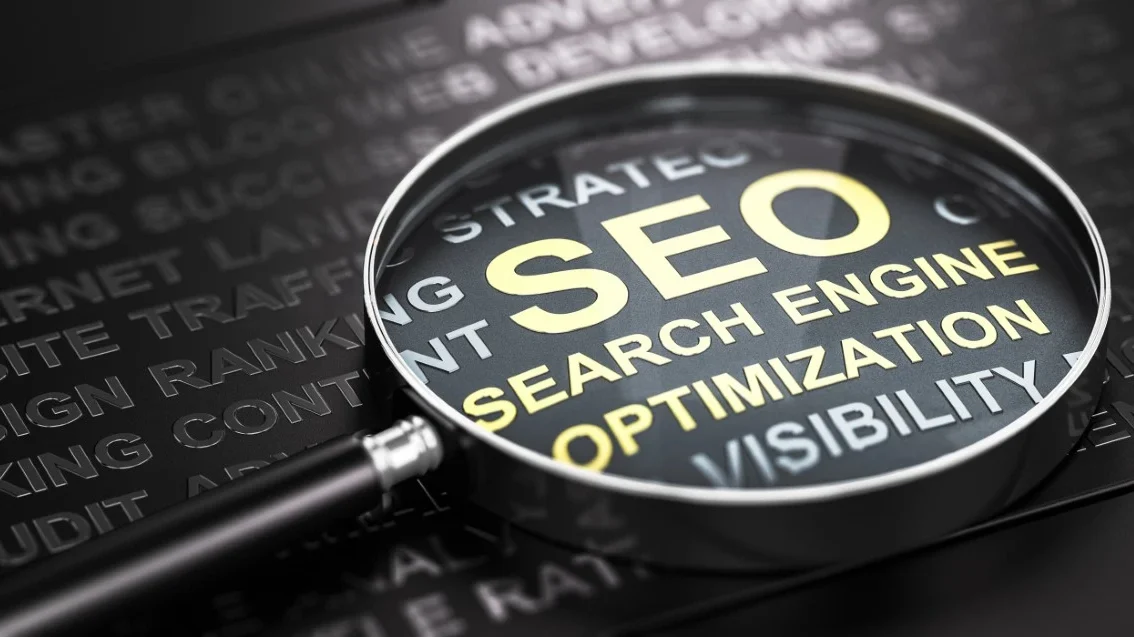
Search Engine Optimization (SEO) continues to be the most fundamental aspect of digital marketing. The goal of this strategy is to increase a website’s visibility on search engines by optimizing content, improving website structure, and incorporating relevant keywords. By incorporating SEO, your business can attract organic traffic and improve its search rankings. 

Higher visibility on search engines translates to increased website visits and potential conversions. Additionally, local SEO strategies help businesses target customers in specific geographic areas, making it easier to attract nearby consumers.

Social Media Marketing

Social media platforms allow e-commerce businesses to connect with their audience, build brand awareness, and promote products or services through targeted advertising, engaging content, and influencer collaborations. Platforms like Facebook, Instagram, and TikTok are particularly effective for showcasing products and running promotional campaigns. 

Social media marketing helps businesses build brand loyalty and drive traffic to their online stores.  Interactive content, such as polls, live videos, and Q&A sessions, further helps with customer engagement and encourages participation.

Pay-Per-Click (PPC) Advertising

Pay-Per-Click (PPC) advertising helps businesses reach potential customers through paid search results and display ads. Platforms like Google Ads and social media advertising networks allow businesses to target audiences, specific keywords, and demographics, ensuring that they reach the right consumers.  A well-executed PPC campaign can generate immediate traffic and boost sales.

Content Marketing

Creative, informative, and relevant content helps businesses establish authority in their industry. Utilize blog posts, videos, infographics, and email newsletters to help your business engage with customers and provide them with useful information about products and services. Content marketing not only improves SEO but also builds customer trust and loyalty. 

Email Marketing

Email marketing remains a very cost-effective digital marketing strategy. Personalized email campaigns enhance customer relationships, promote special offers, and keep customers informed about new offerings. Additionally, automated email sequences, such as cart abandonment reminders and product recommendations, help businesses maximize conversions and nurture leads.

Role of Digital Marketing in E-commerce Success

Influencer Marketing

Partnering with influencers helps amplify brand reach and credibility. Influencers with a large following can promote products to a highly engaged audience, leading to increased brand awareness and sales. You can also partner with micro-influencers as they can offer a more targeted and authentic connection with niche markets.

Affiliate Marketing

Affiliate marketing is similar to influencer marketing; people promote products or services and earn a commission for each sale generated through their unique link. Partnering with affiliates can help businesses expand their reach and generate sales through referrals and promotions.

Data Analytics and Conversion Optimization

Tracking and analyzing customer behavior can drastically improve e-commerce performance. By leveraging data analytics tools, businesses can gain insights into customer preferences, identify trends, and optimize their marketing strategies. 

A/B testing, heatmaps, and conversion rate optimization techniques can help improve user experience and boost sales. Predictive analytics can also be used to forecast customer behavior and personalize marketing campaigns, increasing the likelihood of conversions.

Mobile Marketing

Mobile marketing helps e-commerce businesses reach and engage with customers through mobile devices, such as smartphones and tablets. This has become an essential component of digital marketing because of the prevalence of mobile devices in daily life. 

Businesses should make sure they create mobile-friendly emails and use SMS marketing to reach customers on the go. Mobile apps with push notifications and seamless shopping experiences can further enhance customer engagement and drive sales.

Customer Retention Strategies

Digital marketing not only helps e-commerce businesses acquire new customers but it also helps them retain existing ones. Loyalty programs, personalized recommendations, and exclusive discounts encourage repeat purchases. Interacting with customers through social media and personalized follow-ups strengthens brand and customer loyalty.

Role of Digital Marketing in E-commerce Success

Leverage Digital Marketing to Help Your Business Thrive

Digital marketing plays an invaluable role in e-commerce success. By utilizing a combination of SEO, social media marketing, PPC advertising, content marketing, email campaigns, influencer and affiliate partnerships, and data analytics, owners can better reach their target audience and grow their business. 

Additionally, mobile marketing plays a critical role in providing a seamless shopping experience for customers. Embracing digital marketing strategies will not only enhance online visibility but also lead to higher customer engagement, improved brand loyalty, and increased revenue.

Filed Under: Digital Marketing

Best Email Marketing Practices for Higher Open Rates

Do you struggle to reach your audience through email marketing? While one of the most effective digital marketing strategies, achieving high open rates can be difficult and requires a strategic approach. Here are some best practices to ensure your emails maximize engagement and stand out in a world of crowded inboxes.

1. Craft Compelling Subject Lines

The subject line is your chance to make a good first impression and persuade someone to read the body of the email. Keep it short — about 6-10 words — to promote better readability and ensure it’s personalized — use the recipient’s name or other relevant details. You should also ensure the subject line is engaging and triggers curiosity through questions, promises, or intriguing language. 

Avoid spammy words like “free,” “limited time,” or excessive punctuation, which can trigger spam filters. You may want to A/B test different subject lines to see what resonates best with your audience.

2. Personalization and Segmentation

Generic mass emails have proved less effective than personalized ones. To make your emails more effective, utilize personalization and segmentation. Segmentation involves dividing your email list into smaller groups based on factors such as location, purchase history, website activity, or engagement level to ensure relevance, improve engagement, and provide a better experience. 

Personalize emails by using the recipient’s name and tailoring content based on their preferences, past interactions, or demographic data. You can recommend products based on their purchase history or offer personalized discounts or promotions. This will help you increase engagement, enhance customer experience, and improve brand loyalty. 

3. Optimize Send Times

The timing of your email plays a crucial role in open rates. Research your audience’s behavior and test different send times to determine when they are most likely to engage. Generally, mid-week mornings tend to perform better than emails sent late at night or early in the morning. However, results may vary by industry. 

You can also utilize Send Time Optimization (STO) tools, which utilize data science and AI, to determine the optimal time to send emails to each subscriber based on their engagement patterns. 

Best Email Marketing Practices for Higher Open Rates

4. Provide Value in Every Email

Your emails should deliver real value — whether that includes educational content, exclusive discounts, or insightful updates. If recipients consistently find your emails helpful, engaging, or interesting, they’ll be more likely to open them in the future.

5. Mobile Optimization

Many of your subscribers open emails on mobile devices. Use a responsive email design, keep subject lines concise, and ensure your call-to-action buttons are easily clickable on smaller screens. Use short paragraphs, bullet points, and fluid images, and allow adjustable text and spacing. You can also take advantage of mobile-specific features, such as push notifications and location services. 

6. Maintain a Clean Email List

Regularly remove inactive subscribers or correct invalid email addresses to keep your email list clean and organized. You can also require subscribers to double-opt in — confirm their email address after signing up to ensure they want to receive emails — and use email verification to identify and flag invalid or misspelled addresses in real time before they are added to your list. 

These steps are important as a high bounce rate or too many unopened emails can negatively impact your sender reputation.

7. Use a Recognizable Sender Name

Emails from recognizable names — whether a person or a brand — tend to have higher open rates. Avoid using generic email addresses like “[email protected]”. Use a friendly name that your subscribers feel comfortable trusting. 

8. Test and Analyze Performance

Define your goals and objectives, so you know what you want to achieve in your email marketing campaign. Then you can track open rates, click-through rates, and conversions to see what’s working and what isn’t. You can also A/B test different elements, such as subject lines, content, and send times, to refine your strategy.

9. Avoid Spam Triggers

Ensure your emails comply with anti-spam regulations like GDPR and CAN-SPAM. Avoid excessive capitalization, misleading subject lines, aggressive language, generic content, and overly promotional language that might land your email in the spam folder.

10. Encourage Engagement

Best Email Marketing Practices for Higher Open Rates

Encourage engagement with your emails by asking questions, inviting responses, and including interactive elements like polls or surveys. The more recipients interact with your emails, the better your sender reputation and future open rates will be, helping your campaign thrive and avoiding spam triggers. 

Email Marketing — An Effective Strategy for Your Business 

Implementing these practices will help you immensely with your email marketing efforts, allowing you to boost open rates, build stronger customer relationships, and grow your business. Make sure to keep testing and refining your approach for continued success. 

Filed Under: Digital Marketing

  • « Previous Page
  • 1
  • …
  • 8
  • 9
  • 10
  • 11
  • 12
  • …
  • 20
  • Next Page »

Performance Driven Marketing Idaho

591 Park Ave, Suite #101
Idaho Falls, ID 83402
Phone: 208-540-9638
MON 8:00 AM - 5:00 PM
TUE 8:00 AM - 5:00 PM
WED 8:00 AM - 5:00 PM
THU 8:00 AM - 5:00 PM
FRI 8:00 AM - 5:00 PM
SAT Closed
SUN Closed

Directions

Recent Posts

  • How to Optimize Your Website for Google’s AI Search
  • New Google Reviews Updates: What Businesses Need to Know
  • Click Fraud Explained: Are You Wasting Money on Fake Clicks?
  • Google Ads vs. SEO: Which Delivers Faster Results?
  • Is Social Media Advertising a Scam?

Follow Us

pressure washing industry, idaho falls

2026 | Performance Driven Marketing Idaho | All Rights Reserved | Privacy Policy | Terms | XML Sitemap | Sitemap | Site by PDM