pressure washing industry, idaho falls

Performance Driven Marketing Idaho

208-540-9638
Call Now!
  • SEO
    • SEO Case Studies
      • Rocky Mountain Movers
    • Chiropractic SEO
    • Our Exclusivity
  • Websites
    • Web Design Portfolio
  • Other Services
    • Digital Marketing
    • Graphic Design
      • Graphic Design Portfolio
    • Content Writing
  • Case Studies
    • SEO Case Studies
      • Rocky Mountain Movers
    • PPC Case Studies
      • Bismarck Advanced Dental and Implants
    • Branding Case Studies
    • Web Design Portfolio
    • Graphic Design Portfolio
  • Why Choose Us
    • Our Reviews
    • Our Team
    • Blog
  • Contact Us
    • Request a Consultation
    • Support Requests
    • Free Website Audit
    • Marketing Workshops
    • Referral Program
    • Pay Online

What’s the Difference Between On-Page and Off-Page SEO?

Search Engine Optimization (SEO) is a crucial component of any digital marketing strategy. It helps websites rank higher on search engines and attract more traffic. SEO can be broadly categorized into two key areas: on-page and off-page SEO. Understanding the difference between these two will help you develop a more effective SEO strategy.

What is Search Engine Optimization (SEO)?

Search Engine Optimization (SEO) affects a website’s visibility and ranking in search engines. It involves a set of practices that improve the appearance, positioning, and usefulness of content in organic search results. Content includes web pages, videos, images, and local business listings. 

SEO, especially on-page and off-page SEO, is important because search engines are the top method people use to find content. If you want the digital content you post to be found and read by the general public, you need to increase your website’s organic traffic.

What is On-Page SEO?

On-page SEO includes all the optimization efforts made directly on your website to improve search rankings and user experience. You have direct control over on-page SEO elements, so you can refine your content, structure, and technical aspects to match search engine guidelines. 

Key on-page SEO factors:

Quality Content 

The first key on-page SEO element is writing well-written, informative, and engaging content that satisfies user intent. You can use a keyword research tool to find relevant topics and keywords to use in your content. 

Keyword Optimization 

Make sure you place target keywords in crucial areas of your content, such as in the first header, first paragraph, and subheadings. Google will scan these specific sections to figure out the topic of the page. Readers will also read these sections to see if they want to read the page. 

Make sure you also add relevant keywords to titles, headers, and URLs.

Meta Descriptions

A meta description provides a brief summary of a page when it shows up on a search engine. It doesn’t directly influence your SEO, but it does influence whether people click on your page or not. 

URL Structure 

Clean, descriptive URLs that make it easier for users and search engines to understand your page. Avoid using random numbers, publish dates, or any other unnecessary text in your URL, and make sure to add your keyword. 

Internal and External Linking 

Internal links connect a page to other pages on the same website. Connect relevant pages to improve navigation, spread link equity, help search engines understand your site’s structure, and signal that your linked page is valuable. 

External links send people from your website to other sites. These links help improve user experience, build trust with your audience, and provide value. 

Image Optimization 

Including images helps you rank in Google images and bring in more traffic. Make sure to use proper file formats and alt text to enhance loading speed and accessibility. Alt text should be 125 characters or fewer and avoid anything text like “image of.”

Mobile-Friendliness and Page Speed Optimization

Two more advanced on-page SEO tactics include mobile-friendliness and page speed optimization Mobile-friendliness ensures your site is responsive and delivers a seamless experience across all devices. Page speed optimization improves website load times, enhancing user experience and reducing bounce rates.

What is Off-Page SEO?

Off-page SEO refers to optimization efforts that occur outside your website to improve its authority, ranking, and trustworthiness. These tactics help establish your website’s credibility, making it more valuable to search engines.

Key Off-Page SEO Factors:

Backlinks 

A backlink, also known as an inbound or incoming link,  is a link from one website to another. When a website links to another, it lets search engines know that the linked content is credible, reputable, and valuable. When you earn high-quality backlinks from authoritative websites you can boost your site’s domain authority.

Social Media Signals  

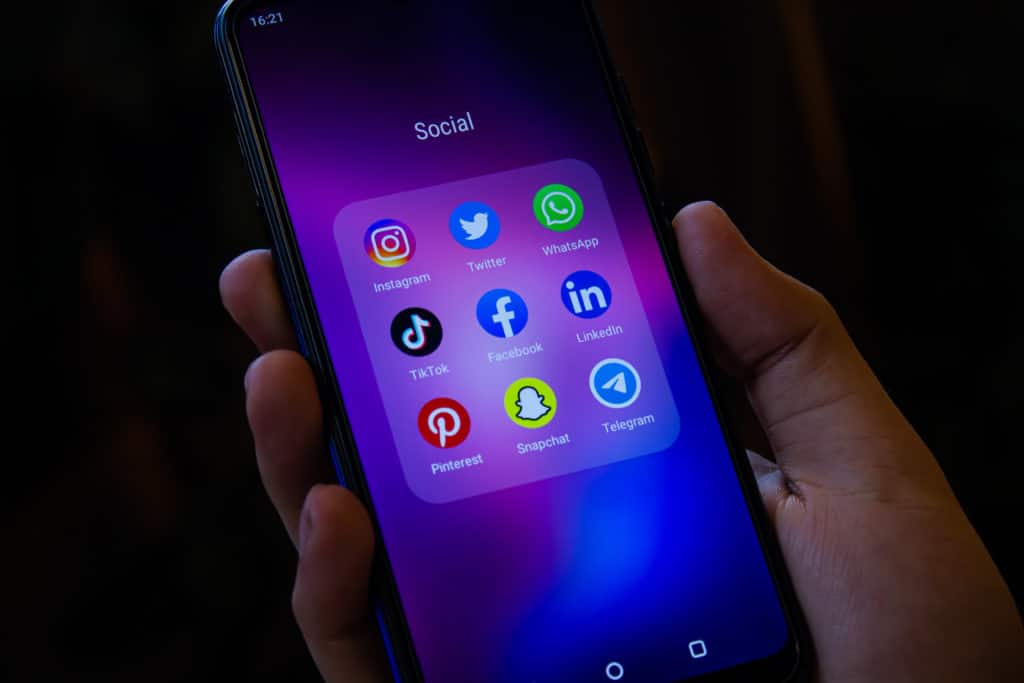
Engagement, shares, and brand mentions on social media platforms can indirectly impact SEO. Make sure to link to your website on your social profiles, share your website content on social media, use relevant hashtags, and monitor brand mentions. You can also collaborate with influencers to promote content and improve online visibility. 

Guest Blogging 

Writing guest posts on reputable sites helps you gain exposure, earn backlinks, and get your content in front of another audience. Make sure you focus on publications relevant to your niche and provide genuine and valuable content. 

Local SEO 

Local SEO optimizes your online presence in your area. You can do this through Google My Business, local citations, and reviews. A Google business profile is free, so make sure to utilize this critical tool.

Forum and Community Engagement 

Participating in industry-specific discussions and events can help build relationships and drive traffic. Events may take more effort, but they can generate buzz around your business that is hard to replicate in other ways. 

Improve your SEO Ranking with On-Page and Off-Page SEO Strategies 

On-Page SEO optimizes your website users and search engines, while Off-Page SEO builds authority and drives external credibility. If you incorporate both on-page and off-page SEO, you ensure long-term growth and better rankings. Make sure to continually refine your strategy based on search engine updates and user behavior trends to stay ahead in the competitive digital landscape.

Filed Under: Digital Marketing

AI Content - Idaho Falls, ID

In the last year, it has become more and more common to hear about AI and its role in our everyday lives. But, as a business owner, you may be interested in the ways AI can make your work life a bit easier. In some cases, you may even consider using AI content to increase traffic to your website.

While this might seem like an easy way to ensure your website has adequate content for visitors, it may actually hurt your current SEO efforts. If you’re considering using AI content for your website in 2025, keep reading to learn why our team at PDM Idaho discourages its use. 

The Rise of AI in Marketing

Over the course of 2024, AI made its way to the center stage. While AI has long been a part of our everyday lives (think Apple’s Siri, Amazon’s Alexa, and Gmail’s spam filter), it has become much more prevalent over the last year. It seems like every tech company has introduced its new AI model to the public. 

As the use of AI has become far more common in everyday life, it has also made its way into marketing. When you search the internet for AI marketing, several dozen tools and companies pop up, offering to utilize AI products to create marketing campaigns, social media content, web copy, and much more. 

AI Content - Idaho Falls, ID

It seems like, overnight, AI has become the go-to way to get a new website online, update old content, and create graphics. But, while this might appear to be an easy way to create content and keep your website updated, it does come with quite a few drawbacks that you should consider before putting your time, money, and effort into it. 

The Risks of Using AI Content

There are many substantial risks to using AI content for your websites, especially as it becomes a common move by other companies in your area. Some of these risks include: 

Risk of Plagiarized Content

One of the most significant risks of using AI content for your website is the risk of potentially posting plagiarized content. AI models learn from content posted across the internet. But, if the information you’re looking to share is too niche, it may struggle to reword the information it comes across and instead regurgitate content already posted elsewhere. Posting AI content that has already been posted elsewhere can directly impact your SERP ranking. If you’ve recently noticed a dip in your rankings and think AI content is the solution, it may be best to look elsewhere for support. 

No Human Touch

People in your community turn to your small business or local company because of the familiar faces. Whether you’re someone they’ve met before, seen your advertising efforts, or were recommended to you by a friend, your humanness connects you to the people around you. When you rely on AI content for your website, you lose much of the human connection you make with potential clients and customers. Machines simply can’t seem to grasp the nuance of human interaction, and by trying to force this content to work for your website, you only hurt yourself and your connection with your community.  

AI Content - Idaho Falls, ID

Offering Inaccurate Information

Nothing is worse than leading your web visitors astray, and when you rely on AI content, you may end up doing just that. AI doesn’t fact-check before creating content, something many of these models continue to admit. If you can’t trust it to provide accurate information, how could you possibly trust it to create reliable content for your website? While you can certainly read through the information provided, most people are interested in getting content online as soon as possible, even if that means posting inaccurate information. If you want to protect your hard-earned reputation, it is best to avoid this content. 

Lack of True Branding

AI doesn’t know your brand as you do, and no amount of adjusting this content will ever give it a true vision of your mission, branding, and voice. When you use AI content on your website, it often reads incredibly stale. What people love about working with small businesses and companies in their community is the humanness of it all. But, when the content you post online doesn’t match your desired branding, you may appear similar to every other company in your area. It’s best to steer clear of this content when trying to cement yourself as a reliable local business. 

Struggles with Local SEO

Much like AI doesn’t know your brand like you, it also doesn’t know your community like you. While this might not initially seem like a problem, it can make it more difficult to reach people in your area. AI doesn’t know what is trending in your area or what people around you need most, so it can’t tailor its content for your community. If you want to boost your local SEO efforts, it is best to rely on the people who know your area best instead of a machine that is creating content for a nationwide audience. 

AI Content - Idaho Falls, ID

Grow Your Brand with PDM Idaho

Don’t trust AI content for your brand when you know it better than a machine ever could. Instead, turn to our team at PDM Idaho for support. For over a decade, we’ve provided expert marketing services to businesses across the Idaho Falls area and beyond. Whether you’re starting from scratch or need to upgrade your existing website, we can do it all. 

When you’re ready to upgrade your website with new and engaging content, don’t hesitate to contact us to schedule a consultation.

Filed Under: Digital Marketing

6 reasons your marketing isn't working

There is nothing worse than spending hours on marketing for your business and not seeing results. Whether you are writing ads and blogs on your own or you hired someone to help, there are a few easy mistakes that can impact the reach of your marketing. If it has been a few months and your business isn’t seeing conversions, your marketing isn’t working in your favor. Below, we will share some of the common reasons your marketing isn’t serving your audience. 

1- You’re Trying To Reach Too Many People At Once

Narrowing down your ideal audience is the best way to see results from your marketing. While it may seem like a good idea to try and reach a wide audience, not everyone will resonate with your message. Since we are exposed to thousands of marketing messages a day, the person seeing your message needs to immediately believe it was written for them. You need to hook your audience within the first line or a few seconds of your ad. 

You should narrow down your marketing to reach those who you think could benefit most from your services. If you are a window cleaning company, you may also serve commercial properties, but there are more homeowners in the area who would also benefit from your cleaning services. Target your marketing to the most engaged audience who you have seen convert from your marketing efforts in the past. 

2- The Focus Isn’t The Benefits

While you may want to focus on telling clients about your services, they will connect more with the benefit or solution you can provide them. Most audience members will know they need a service but aren’t willing to book it or pay for it unless it solves multiple of their problems. Your marketing isn’t working if you don’t believe in the benefits your services can offer potential clients. When writing your marketing or targeting ads, focus on what your product or service can solve. Does it help improve the value of their home? Does it save them time and money during the holiday season? 

3- You Didn’t Make A Comprehensive Strategy

6 reasons your marketing isn't working

Those who are new to marketing may not understand the scope of a good marketing strategy. There are many moving parts to a comprehensive marketing campaign including ads, social media posts, quality content, web design, and SEO practices. Hiring someone who knows about all of these components will help you come up with a strategy that fits your budget and serves your industry. 

Before developing a marketing plan, businesses need to make sure they have the bandwidth to handle the incoming demand. While promoting your business is always worthwhile, businesses tend to change their marketing strategy when they want to grow. In your planning, make sure to determine what your goal is with ads and promotional items so you don’t overspend or oversell. 

4- The Marketing Messages Are Not Resonating

The saying ‘you can’t please everyone’ is true in marketing too, not every person will resonate with your message. Even if they fit into your ideal audience, they may not see the benefits of booking with you. If your customers see you as a commodity, it may not come with the results you desire. Try to find 3 things that your business does better than your competitors. Consistently market these differences instead of just saying you are “the experts” or “are better than the competition.” 

5- The Marketing Isn’t Consistent

Another reason your marketing isn’t working is because it lacks consistency. Posting and sharing new content frequently is good practice, but it also means your brand language and logo need to be featured often too. Consistency in all things is what makes marketing successful. Some businesses also give up their marketing efforts too early. Staying consistent for months on ads, social media posts, and regular jobs is important to boost your business. 

6- Your Marketing Is Not Feeding Into Your Services

While business visibility is important, the likes and comments won’t pay the bills. Your marketing efforts should encourage consumers to book a service with you as the next step. This is why a call to action is so important when it comes to social posts, blogs, ads, and printed promotional content. Talk about your services and offerings regularly. Make sure every piece of your content has a compelling call to action. 

Marketing Help From PDM

Web Design Performance Driven Marketing Idaho

Our team at Performance Driven Marketing takes on all of the stressful marketing elements and shows you real results. We have a team of writers, web developers, graphic designers, and SEO specialists who can help revamp your marketing elements if marketing isn’t working how you envisioned. Our account managers will meet with you monthly to show you real-time results and analyze what we can change moving forward.


No matter what industry you are in, we can help improve your Google rankings and increase your sales. Because we are focused on SEO, your website and ads will be pushed to those who can truly benefit from your business. If your marketing isn’t working, reach out and learn more about our different packages.

Filed Under: Digital Marketing

  • « Previous Page
  • 1
  • …
  • 10
  • 11
  • 12
  • 13
  • 14
  • …
  • 21
  • Next Page »

Performance Driven Marketing Idaho

591 Park Ave, Suite #101
Idaho Falls, ID 83402
Phone: 208-540-9638
MON 8:00 AM - 5:00 PM
TUE 8:00 AM - 5:00 PM
WED 8:00 AM - 5:00 PM
THU 8:00 AM - 5:00 PM
FRI 8:00 AM - 5:00 PM
SAT Closed
SUN Closed

Directions

Recent Posts

  • AI Writing Tools vs Human Writers: Which Is Better for SEO?
  • Google Core Updates 2026: What Website Owners Should Know
  • How to Optimize Your Website for Google’s AI Search
  • New Google Reviews Updates: What Businesses Need to Know
  • Click Fraud Explained: Are You Wasting Money on Fake Clicks?

Follow Us

pressure washing industry, idaho falls

2026 | Performance Driven Marketing Idaho | All Rights Reserved | Privacy Policy | Terms | XML Sitemap | Sitemap | Site by PDM